贝博嘉年华jnh9998官网黄金版appv8.7.9-嘉年华jnh9998-嘉年华娱乐jnh9998-嘉年华国际jnh9998
大小:354.1m 语言:简体中文
下载:876 系统:android9.9.x以上
更新时间:2025-10-03 23:26:24
特别推荐
软件介绍:
贝博嘉年华jnh9998官网嘉年华jnh9998官网
在清理欠薪上,中国足协👐制定了相应的时间表,去年12月21日发布公告,要求在2022年12月31日前解决全部历史欠薪,各俱乐部解决👌欠薪工作的授权人应在2023年1月6日前提交最新的还款凭证。而据最新了解,经过争取,各俱乐部只要在1月31日前完成,还是能够过关。
过去的2022年,对于广州城队来说,实为🥊不易。年初,俱乐部启动股
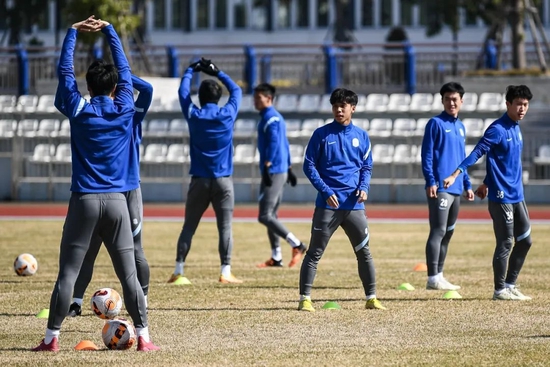
如今,广州城队完成了🥒保级任务,但这,只是第一步�🐟�,为了让俱乐部可持续发展,接下来还有很多工作要做,而且,必须在短
和申花俱乐部火速完成股改相比,广州城的股改,尚未传出任何消息,兜兜转转,又回到↕了起点。根据惯例,中超俱乐部目前应该围绕中超准入、下赛季比赛,开展球员续约、冬训备战等相关准备工作。但是,据本报向部分广州城队🧼球员了🔚解,球队在赛季结束后就放假了,球员们目前尚未收到任何关于集中、恢复训练的通知。
而且,至2022年12月31日,除了u23的球员,上赛季主力球员约70🔋%⛩合同到期,包括队长唐淼、姜积弘、李提香等队员。如果广州城队无法续约📉或者新签球员,那么,球队新赛季将面🐇临大部分主力离队,无人可用的情形。
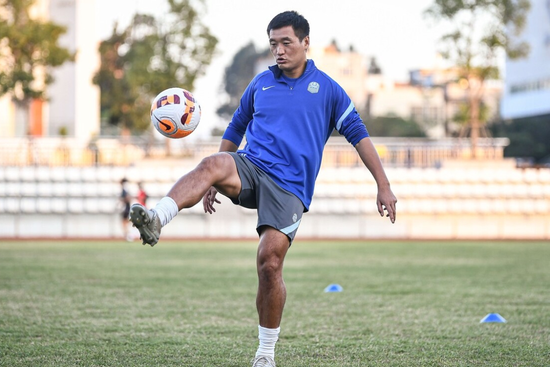
目前,广州城队面临处理剩余历史欠薪、满足准入
😼还🎑有一周多时间,就将进入春
如今,广州职业足球又到了十几年前生死存亡的关键时刻,如何发展牵动着广州球迷🦿的心。当年广州市体育局长刘江南的“广州不能没有足球,®广州不能没有高水平足球”的呼👻声犹在耳边。



软件app
- 2.1 危机起源通过承接产业转移获得发展机会的亚洲经济体在面对外需转弱、外资撤离时具备脆弱性
- 突出抓实部门党组(党委)书记述职评议,坚持每年以省委党建工作领导小组名义组织进行,在书面述职评议全覆盖的基础上,选取10个部门党组(党委)书记进行现场述职,省委领导逐个点评,党员代表逐一打分;将日常掌握情况与述职评议情况有机结合,划定等次、指出问题、书面反馈。
- 第八条党政领导干部具有本规定第五条所列情形,并且具有下列情节之一的,应当从重问责:(一)干扰、阻碍问责调查的;(二)弄虚作假、隐瞒事实真相的;(三)对检举人、控告人打击、报复、陷害的;(四)党内法规和国家法律法规规定的其他从重情节。
- but i’ll point out some of the glaring problems in tsla’s “gaap” accounting based on cursory sleuthing.
- 依托全市机关“周二夜学”这一常态化平台,“甬习云课堂”2020年5月上线开通。
点评安装
- 未来,传神也会更加重视对模型“智慧”的深度挖掘,聚焦持续实时学习客户数据的能力,通过数推分离技术,赋能企业大模型落地应用,并展现更多元的商业新范式
- 中欧财富的统计数据显示,自9月24日市场反弹以来,平台上用户的活跃度显著提高,其中权益类基金尤其是指数投资类基金的资金流入量明显放大。
- 要像抓正规连队那样抓机关和直属单位建设,从一点一滴、一言一行、一举一动入手,狠抓日常养成和作风培养,确保各项秩序正规。
- 全面建立特困老年人照料護理標準和救助經費保障製度
- 曾任美联储理事会高级政策顾问、现任杜克大学经济学研究教授的ellen meade表示,无论美联储如何回应,真正需要的是一个应对白宫和国会潜在行动的常规程序
点评官方版
bms未履约、提早终止bms协议或无法物色到新的或替代嘉年华娱乐jnh9998的合作伙伴,均可能对公司的收入及研发活动及其资金产生负面影响bowling green, ky. — crosby j. gardner has never had a girlfriend. now 20 and living for the first time in a dorm here at western kentucky university, he has designed a experiment to find her. he ticks off the math. two meals a day at the student dining hall, three courses per meal. girls make up 57 percent of the 20, 068 students. and so, he sums up, eyes triumphant, if he sits at a table with at least four new girls for every course, he should be able to meet all 11, 439 by graduation. “i’m crosby gardner!” he announces each time he descends upon a fresh group, trying out the script he had practiced in the university’s autism support program. “what is your name and what is your major?” the first generation of college students with an autism diagnosis is fanning out to campuses across the country. these growing numbers reflect the sharp rise in diagnosis rates since the 1990s, as well as the success of interventions and efforts to include these students in mainstream activities. but while these young adults have opportunities that could not have been imagined had they been born even a decade earlier, their success in college is still a long shot. increasingly, schools are realizing that most of these students will not graduate without comprehensive support like the kelly autism program at western kentucky. similar programs have been taking root at nearly 40 colleges around the country, including large public institutions like eastern michigan university, california state university, long beach, the university of connecticut and rutgers. for decades, universities have provided academic safety nets to students with physical disabilities and learning challenges like dyslexia. but students on the autism spectrum need a web of support that is far more nuanced and complex. their presence on campus can be jarring. mr. gardner will unloose monologues — unfiltered, and repetitive — that can set professors’ teeth on edge and lead classmates to snicker. when agitated, another student in western kentucky’s program calms himself by pacing, flapping his hands, then facing a corner, bumping his head four times and muttering. one young woman, lost on her way to class and not knowing how to ask for directions, had a panic attack, shaking and sobbing violently. autism affects the brain’s early development of social and communication skills. a diagnosis of autism spectrum disorder can encompass an array of people, from the moderately impaired and intellectually nimble like mr. gardner, a junior majoring in biochemistry, to adults with the cognitive ability of . until 2013, students who could meet college admission criteria would most likely have received a diagnosis of asperger’s syndrome, which has since been absorbed into autism spectrum disorder. the social challenges of people on the spectrum can impede their likelihood of thriving not only in college, but also after graduation. counselors in programs like western kentucky’s not only coach students who struggle to read social cues, but also serve as advocates when misreadings go terribly awry, such as not recognizing the rebuff of a sexual advance. when a professor complains about a student who interrupts lectures with a harangue, michelle elkins, who directs the western kentucky program, will retort: “i am not excusing his behavior. i am explaining his brain function. ” at suppertime, the dining hall at western kentucky’s student union is crowded, clamorous and brightly lit. students in the kelly program, who often have sensory hypersensitivities as well as social discomfort, usually prefer eating alone in their rooms. but one night this fall, some gathered for a weekly dinner with peer mentors — students hired by the program to be tutors and social guides. the kelly students tentatively approached a meeting place in the lobby. as they recognized their mentors among the milling crowd, relief flooded their faces. the meal began awkwardly. one kelly student buried himself in a textbook. another gazed around the dining hall, humming. gradually, the mentors drew them out. how was your day? have you tried any clubs? jacob, a freshman from tennessee who is in a chinese immersion curriculum and asked that his last name not be used to protect his family’s privacy, said he had joined the french, spanish and german clubs. “when do you sleep?” i inquired with a smile. a few mentors laughed appreciatively. jacob looked puzzled. “i don’t get the humor in that question,” he said. when the topic shifted to a social event coming up at the center — a video game party — conversational was guaranteed. even so, as various games were suggested, the dinner table exchanges were more proclamation than conversation: “in my opinion, pokémon go is a stupid idea,” mr. gardner shouted. ms. elkins fixed him with a look. “good you added, ‘in my opinion,’ crosby,” she said. the autism program’s home, a clinical education building at the edge of the university, is a peaceful, dimly lit haven from the churning campus. the 45 undergraduates in the program spend three hours a day here, four days a week. they study, meeting with tutors, and confer with counselors and a psychologist to review myriad mystifying daily encounters. the counselors maintain ties with dorm supervisors, professors and the career center, mediating misunderstandings. by 2019, the program, which started with three students a little over a decade ago, anticipates being able to admit 77 students. like most such programs on other campuses, it charges a fee w. k. u. ’s is $5, 000 a semester, much of which may be covered by federal vocational rehabilitation funds. in addition to shoring up academic and organizational skills, the program aims to ease students into the social flow of campus. this year, group discussions will tackle topics that include sex and dating. some of these students have enough to feel the excruciating loneliness of exclusion. “one student told me, ‘i was so excited about college because i hear you don’t get bullied there, and i don’t know what that’s like,’” said sarah the program’s manager. others remain relatively oblivious to the social world surging around them. impulse control is an issue for many of these students: they will stand up and abruptly leave class. some need reminders about basic hygiene. because having a roommate can be unnerving, most have single rooms in the dorms. but they all have the requisite academic ability: before applying to the support program, they must be admitted by the university. some are exceptionally bright. “i have a 4. 0 g. p. a. but david leaves me behind in the dust,” liz ramey, 19, a student mentor, said of david merdian, a kelly sophomore who studies mathematical economics with a concentration in actuarial science. with the program’s help, some of the students, most of whom are male, can enter the university directly from high school. others first try community college. after kaley miller graduated from high school, relatives, who did not believe she could live independently, put her in a group home and then a residential home with elderly adults, where she spent her days doing factory piecework. finally, at a psychiatrist’s suggestion, ms. miller’s parents decided to let her try a college that provided support for students on the spectrum. when she moved into a w. k. u. dorm, ms. miller, 24, a junior and a meticulous art student, reacted in wonderment. “there were so many people my age and everyone was so normal,” she said. in 2012, andy arnold, who was given an autism spectrum diagnosis as a child, enrolled as a freshman at western kentucky. “it was terrifying,” he recalled. “i was anxious and went off my meds. i’d forget to shower and brush my teeth. i would do rituals, like walking around outside the dorm. i kept grabbing at the back of my neck. “i started skipping classes. i didn’t really know how to study, so i fell behind quickly. i ate too much. i behaved irrationally to people. ” he dropped out. he lived at home, taking online courses for a few years, then reapplied to w. k. u. now 23, he is back at school — and this time, he is in the autism support program. “i feel less panicky,” mr. arnold said. “i like getting to know people here at the center. we have something in common. ” it is hard to know how many students with autism attend schools. a 2012 study in the journal pediatrics found that about 50, 000 teenagers with the diagnosis turn 18 each year and 34. 7 percent attend college. without support, though, few graduate. that is in part because many students with an autism diagnosis do not step forward, fearing stigma. some experts speculate that for every college student on the spectrum who identifies himself or herself with a diagnosis, there may be two more who are undisclosed. but as the growth of the neurodiversity movement prompts people on the spectrum to define themselves as different but not deficient, more students are emerging from the shadows. the bridges to adelphi program at adelphi university in garden city, n. y. serves about 100 students with autism. at the university of texas in dallas, 450 students with the diagnosis have registered for services with the student accessability office. their presence on campuses is also a testament to the tenacity of families and disability advocates who, since the 1990s, when awareness of autism began to mushroom, have pressed for earlier diagnoses and interventions. much of that battle unfolded in public secondary schools, leading to more services. over the last decade, officials at mainstream universities began realizing that growing numbers of spectrum students were being admitted — and, like mr. arnold, were foundering. it was one thing for administrators to authorize accommodations like extra time on tests for students with dyslexia or attention deficit disorder. but how should they bolster students whose behavior was the primary expression of the disability — who could not stop shouting out answers in class and feared dorm showers? and so the new autism support programs vary in emphasis. some are based in disability resource centers, while others are in mental health offices, focusing on social skills and anxiety reduction. “our mission is to help them transition into the university, be successful here, and then transition out of the university to be successful in adult life,” said pamela lubbers, who directs one of the country’s most structured, coordinated programs, with 17 students, at brunswick. ms. lubbers meets weekly with students, working them through a standardized “to do” checklist to help them identify tasks to feel less overwhelmed, review their goals (“describe the best social interactions you had this week”) and . (“you think you left your i. d. on the campus bus. what steps will you take to find or replace it? ”) but even with support, these students often need extra time to graduate. indeed, many do not make it that far. some crumble under academic and organizational stress. others succumb to campus allures like alcohol and drugs. and others are expelled on sexual harassment grounds. they are so eager to fit in that they may, for example, comply with the demands of a bully who says, “ ‘i’ll be your friend and go to dinner with you every night next week if you kiss that girl,’” said jane thierfeld brown, who consults with families and colleges about supporting students on the spectrum. but with support, there are also those, like ryan hodges, who surpass expectations. mr. hodges received his diagnosis at age 4. “in high school did we know he’d go to college? no,” said his father, jeff, a nashville businessman. “did we hope? yes. ” they set their sights on w. k. u. because of the program. now 23, ryan has grown immeasurably in social confidence, his father said, and is on track to graduate at the end of this semester. whether they are prepared for the next transition remains an open question. most programs do not keep tabs on their students after graduation. despite the career coaching offered for kelly students, some still cannot present themselves well in job interviews. living at home again, unemployed, they may regress. “the goal is not necessarily a college degree but becoming an independent, successful adult,” dr. brown said. “and a bachelor’s degree doesn’t guarantee that. ” still, many graduates from western kentucky’s program are employed. mrs. who stays in touch with some through social media, mentions one who works in film, others in technology, some in retail, and another who is applying for graduate school in physics. what about their social lives? mrs. paused and looked at her lap. “sometimes i’m too scared to ask,” she said. always with an eye toward life after college, the program encourages students to learn practical skills. hence western kentucky’s weekly trip to walmart. one recent friday afternoon, mrs. drove seven students in the program’s van, which resounded with cheerful non sequiturs. “i don’t mean to be rude but could you not talk now?” one student told another. “your voice is very loud in my head!” mrs. pulled into the parking lot and nudged the students out of the van. they ambled toward the store, blithely indifferent to incessantly roaming cars. then she waved and drove off, leaving them to tackle the walmart supercenter on their own. in a frenzy, the group scattered. some boys barreled up and down aisles, flinging items at random into their clattering shopping carts. essentials: twix. strawberry twizzlers. doughnuts. frosted cookies. of coke. slippers. napkins. pokémon cards. more pokémon cards. one boy decided he wanted to reheat chicken wings in his dorm. he needed a baking tin. but that meant locating the cookware aisle. which meant finding an employee, then asking for directions. scary! checking out was another challenge. for the students’ entire lives, their purchases had been paid for by adults. now they were peering at register totals, fumbling for credit cards, swiping and swiping, then attempting the chip system, one way and then the other, forgetting pins. over all, they did just fine. they reassembled outside, sweating and smiling, surrounded by the fruits of their considerable shopping labors. ms. ramey, the student mentor, picked them up. on the drive back to school, the students toggled between yakking about their shopping victories and falling silent, drained. ms. ramey pulled up to their dorms, one by one. one by one, they unloaded their bags and, without so much as a “thank you” or even “goodbye,” set off. “have a good weekend!” she kept prompting. startled, each boy looked back at the car, bewildered. another missed social cue? oh, right! jolted, some remembered to smile, and even to wave farewell. “总书记的重要讲话鼓舞人心、催人奋进”“有党中央的坚强领导,经济特区会越办越好”……连日来,习近平总书记在深圳经济特区建立40周年庆祝大会上的重要讲话,在广大干部群众中引发热烈反响。大家纷纷表示,深圳等经济特区40年改革开放实践,创造了伟大奇迹,积累了宝贵经验,深化了我们对中国特色社会主义经济特区建设规律的认识。我们必须倍加珍惜、长期坚持,在实践中不断丰富和发展十条宝贵经验。
迈克尔·博文:
涨幅方面,世纪互联涨超15%,亚玛芬体育涨逾13%
奇克·奥尔特加:
按照历史上10年国债围绕政策利率波动的规律,降息后10年国债波动中枢2.0%,底在1.8%
刘晓洁:
郑州市反扒支队副支队长刘卫在接受媒体采访时表示,让大学生们上街协助反扒,抓贼不是最主要目的,而是为了“有效震慑、减少犯罪”。
亚奈特·加西亚:
刘光鼎:这里面有两种,像在苏北,沿着长江这个地区,有第四季的生物气,就是沼气,这些东西你都开发出来,就解决了民用的烧火、做饭问题。另外我们天然气如何利用?现在是西气东输,从塔里木把气送到上海,现在是把普光大气田的气也送到上海,就解决东南沿海的气的问题,能源的问题。所以我想,其实是具体的每一项既需要开源,又需要节流。
张小磊:
三是围绕打造“塞上乡村乐园”,积极构建“美食体验 乡村旅游 民宿康养”一体化文旅发展新模式,加快建设一批乡村旅游示范村,大力推动美食体验与文化旅游、休闲娱乐融合发展,全力创建“国家全域旅游示范区”。
克里尔瑞:
四是對支持民營企業發展加分指標作了調整優化,按照主承銷(或管理)民營企業公司債券金額,對排名靠前的公司加分,引導行業落實"兩個毫不動搖"、支持民企融資